
Learn why many of our patients travel from out of state to see us. We deliver first-class prosthodontic services, guided by experienced, world-renowned prosthodontists in Atlanta.
At Georgia Prosthodontics, we take pride in offering an unparalleled level of precision, efficiency, and customization through our state-of-the-art in-house dental laboratory. Unlike most dental practices—where restorations are outsourced, leading to delays and limited control over quality—our in-house lab allows us to deliver exceptional results faster and with greater precision.
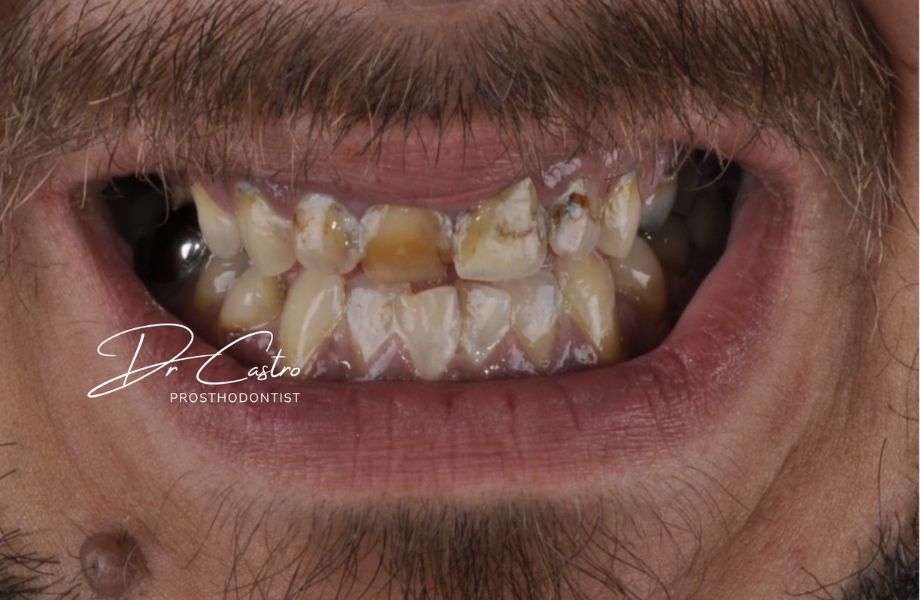
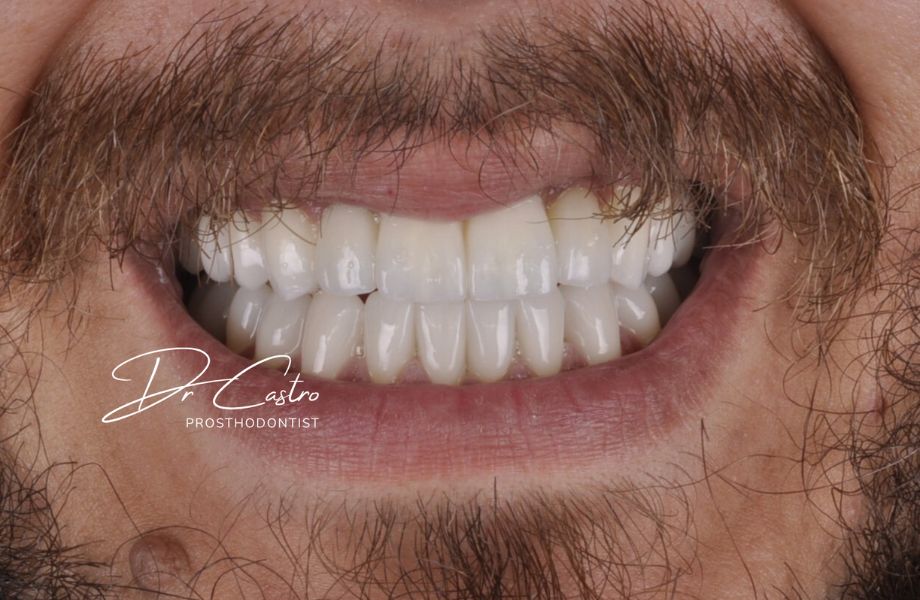
Fewer than 5% of dental offices in the U.S. have an in-house laboratory, making Georgia Prosthodontics one of the elite few that can provide world-class restorations without the need for external labs. Our investment in cutting-edge digital workflows, advanced milling, 3D printing, and expert technicians ensures that we create highly esthetic, functional, and long-lasting restorations—all under one roof.
01
Faster Turnaround Times
No more waiting weeks for a lab to fabricate your restoration. We can deliver same-day or next-day solutions in many cases.
02
Direct collaboration between our prosthodontists and lab technicians ensures your crowns, veneers, dentures, and implant restorations fit perfectly and look natural.
03
Immediate Adjustments and Repairs
If a modification is needed, we handle it on the spot, minimizing additional appointments.
04
Cutting-Edge
Digital Dentistry
Using the latest 3D scanning, CAD/CAM milling, and facial scanning technology, we provide the highest level of accuracy and customization for your smile.
05
Cost-Effective
Eliminating third-party labs reduces costs and allows us to provide superior restorations without unnecessary markups.
– Our technicians work side by side with prosthodontists, ensuring optimal communication and predictable results.
– We use the latest digital design, 3D printing, and milling technology to create restorations with unmatched precision.
– Being part of an in-house lab at a leading prosthodontic center means exposure to complex, high-end cases and advanced restorative techniques.
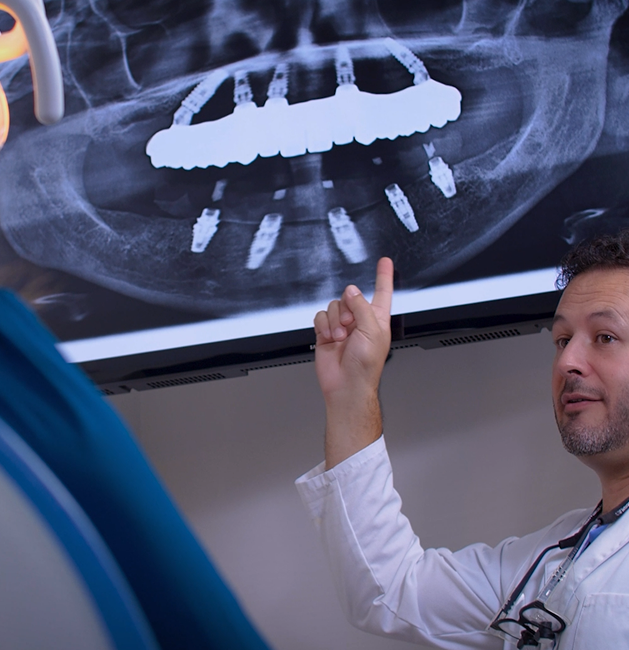
Our team controls every step of the fabrication process, ensuring each case meets our exacting standards.
We can design, print, and adjust restorations in real-time, optimizing function, fit, and esthetics before finalizing the case.
From All-on-X full-arch restorations to custom implant-supported prosthetics, our in-house approach allows us to deliver more predictable and long-lasting results.
By choosing Georgia Prosthodontics, you are opting for excellence, efficiency, and expert craftsmanship—all made possible by our cutting-edge in-house dental laboratory. Whether you need a single crown, a full-mouth reconstruction, or an advanced implant prosthesis, our integrated approach ensures the best possible outcome for your smile.
Monday – Thursday:
08:00 AM – 05:00 PM
Friday:
08:00 AM – 02:00 PM
Correcting and improving the outcomes of prior dental treatments that may not have been successful or require revision.
Rebuilding and restoring teeth, gums, and jaw structures damaged by accidents or trauma.
Restoring teeth damaged by:
Treatment of conditions such as cleft palate, ectodermal dysplasia, amelogenesis imperfecta or other dental and facial abnormalities.
Designing and fabricating prostheses for patients who have lost oral or facial structures due to cancer surgery or trauma.
Addressing structural, mechanical, or functional issues, such as:
Enhancing the appearance of teeth and smile with:
Treatment for patients with severe tooth wear, decay, trauma, or congenital conditions that require complete oral rehabilitation.
Replacement of single, multiple, or all missing teeth using:
Why? For patients who have experienced facial trauma, oral cancer, or need complex reconstructive surgery, these medical specialists coordinate with prosthodontists to plan and execute full-mouth or facial rehabilitation. This might involve implant-retained prosthetics or specialized maxillofacial prostheses.
Why? In cases involving reconstructive jaw surgery or significant changes to the oral structures (e.g., after trauma or cancer treatment), prosthodontists and speech-language pathologists may work together to improve or restore speech function.
Why? Dental technicians fabricate the actual crowns, bridges, dentures, veneers, and implant restorations that prosthodontists design. Close collaboration ensures that the prosthesis (e.g., denture or crown) fits accurately, functions well, and looks natural.
Why? Ongoing maintenance of crowns, implants, and dentures is critical. Dental hygienists provide professional cleanings and patient education to ensure restorations remain in good condition and minimize the risk of gum disease or decay around restorations.
Why? Sometimes, proper alignment of teeth and jaws is necessary before placing prosthetic appliances like crowns, bridges, or dentures. By moving teeth into more ideal positions, an orthodontist can help create a better foundation for prosthodontic work.
Why? Before placing new restorations (like crowns), teeth may need root canal treatment if there is infection or pulp damage. Prosthodontists collaborate with endodontists to ensure the underlying tooth is healthy enough to support a restoration.
Why? Healthy gums and bone structure are crucial for successful prosthodontic work, such as crowns, bridges, and implants. Periodontists help manage gum disease, perform procedures like gum grafts, and maintain the periodontal health that underpins stable restorations.
Why? If tooth extractions, bone grafts, or placement of dental implants are needed, an oral surgeon is often called in. Prosthodontists and oral surgeons coordinate the plan for implant surgery and final tooth restoration, ensuring the surgical and restorative aspects fit together seamlessly.
Why? General dentists often identify a patient’s need for prosthodontic treatment (e.g., for missing or severely damaged teeth) and will refer patients to prosthodontists for more specialized care. After the prosthodontic phase of treatment, the patient may return to the general dentist for routine check-ups and maintenance.
Temporomandibular joint disorders that affect jaw function. This treatment focuses on restoring alignment and relieving pain