
Dr. Kim은 헌신적인 보철 전문의로서, Georgia Prosthodontics 팀에 합류하게 된 것을 자랑스럽게 생각합니다. 미국에서 태어나 한국에서 자란 그는 고등 교육을 위해 다시 미국으로 돌아왔으며, 이후 미국에서 생활하고 있습니다.
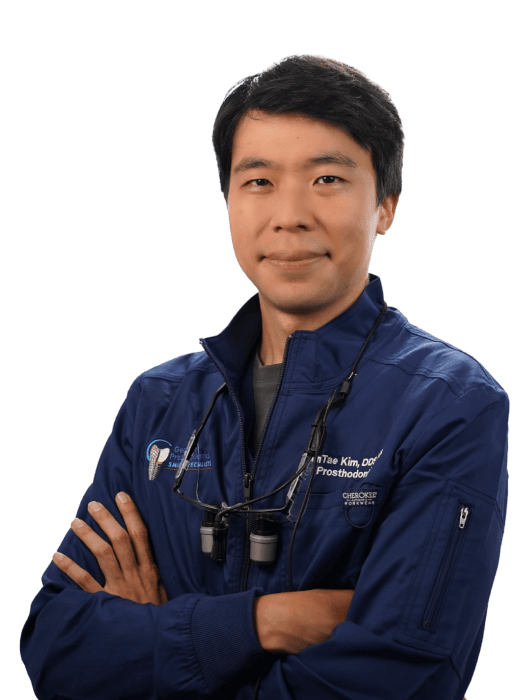
Dr. Kim은 심미 보철 치의학 및 임플란트 기반 치료에 전문성을 갖춘 능숙한 보철 전문의입니다. 미소를 되찾고 기능을 개선하는 데 열정을 가진 Dr. Kim은 포괄적 아치 임플란트 재건, 임플란트 수술, 고정 및 탈부착 가능한 보철물 분야에서 전문성을 쌓았습니다. 현재 그는 Buckhead와 Duluth 두 곳에서 진료를 하며, 환자 치료에 가진 지식과 헌신을 보여주고 있습니다.
Dr. Kim은 2016년 뉴욕대학교 치과대학에서 치의학 박사(Doctor of Dental Surgery, DDS)를 취득했으며, 학업 성취로 국립치과명예학회(OKU) 회원으로도 가입되었습니다. 이후 일리노이대학교 치과대학에서 구강과학 석사(Master of Science in Oral Sciences)와 보철학 전문의 교육 과정(Certificate of Advanced Education in Prosthodontics)을 이수했습니다. 그의 임상 훈련에는 임플란트 수술, 포괄적 아치 케이스 및 종합적인 복원 치의학이 포함됩니다.
2024년에는 현재의 전임 보철 전문의로서 환자들에게 고품질의 치료를 제공하는 데 집중하고 있습니다.
Dr. Kim은 전악 임플란트 복원, 임플란트 식립, 고정 보철물, 그리고 완전/부분 틀니를 포함한 다양한 보철 치료를 전문으로 합니다. 그는 지르코니아 및 금속/아크릴 틀니와 같은 고급 소재를 활용하는 데 뛰어난 실력을 갖추고 있습니다. 또한, 가이드 및 비가이드 임플란트 식립뿐만 아니라 연조직 및 경조직 이식에도 숙련되어 있어 복잡한 보철 치료가 필요한 환자들에게 포괄적인 치료를 제공합니다.
Korean speaking representative will be with you. 한국어를 하시는 담당자와 연결해 드리겠습니다.

Monday – Thursday:
08:00 AM – 05:00 PM
Friday:
08:00 AM – 02:00 PM
Correcting and improving the outcomes of prior dental treatments that may not have been successful or require revision.
Rebuilding and restoring teeth, gums, and jaw structures damaged by accidents or trauma.
Restoring teeth damaged by:
Treatment of conditions such as cleft palate, ectodermal dysplasia, amelogenesis imperfecta or other dental and facial abnormalities.
Designing and fabricating prostheses for patients who have lost oral or facial structures due to cancer surgery or trauma.
Addressing structural, mechanical, or functional issues, such as:
Enhancing the appearance of teeth and smile with:
Treatment for patients with severe tooth wear, decay, trauma, or congenital conditions that require complete oral rehabilitation.
Replacement of single, multiple, or all missing teeth using:
Why? For patients who have experienced facial trauma, oral cancer, or need complex reconstructive surgery, these medical specialists coordinate with prosthodontists to plan and execute full-mouth or facial rehabilitation. This might involve implant-retained prosthetics or specialized maxillofacial prostheses.
Why? In cases involving reconstructive jaw surgery or significant changes to the oral structures (e.g., after trauma or cancer treatment), prosthodontists and speech-language pathologists may work together to improve or restore speech function.
Why? Dental technicians fabricate the actual crowns, bridges, dentures, veneers, and implant restorations that prosthodontists design. Close collaboration ensures that the prosthesis (e.g., denture or crown) fits accurately, functions well, and looks natural.
Why? Ongoing maintenance of crowns, implants, and dentures is critical. Dental hygienists provide professional cleanings and patient education to ensure restorations remain in good condition and minimize the risk of gum disease or decay around restorations.
Why? Sometimes, proper alignment of teeth and jaws is necessary before placing prosthetic appliances like crowns, bridges, or dentures. By moving teeth into more ideal positions, an orthodontist can help create a better foundation for prosthodontic work.
Why? Before placing new restorations (like crowns), teeth may need root canal treatment if there is infection or pulp damage. Prosthodontists collaborate with endodontists to ensure the underlying tooth is healthy enough to support a restoration.
Why? Healthy gums and bone structure are crucial for successful prosthodontic work, such as crowns, bridges, and implants. Periodontists help manage gum disease, perform procedures like gum grafts, and maintain the periodontal health that underpins stable restorations.
Why? If tooth extractions, bone grafts, or placement of dental implants are needed, an oral surgeon is often called in. Prosthodontists and oral surgeons coordinate the plan for implant surgery and final tooth restoration, ensuring the surgical and restorative aspects fit together seamlessly.
Why? General dentists often identify a patient’s need for prosthodontic treatment (e.g., for missing or severely damaged teeth) and will refer patients to prosthodontists for more specialized care. After the prosthodontic phase of treatment, the patient may return to the general dentist for routine check-ups and maintenance.
Temporomandibular joint disorders that affect jaw function. This treatment focuses on restoring alignment and relieving pain
